Best Time to Scuba Dive in Maui: A South Maui Dive Shop's Guide to Conditions by Season
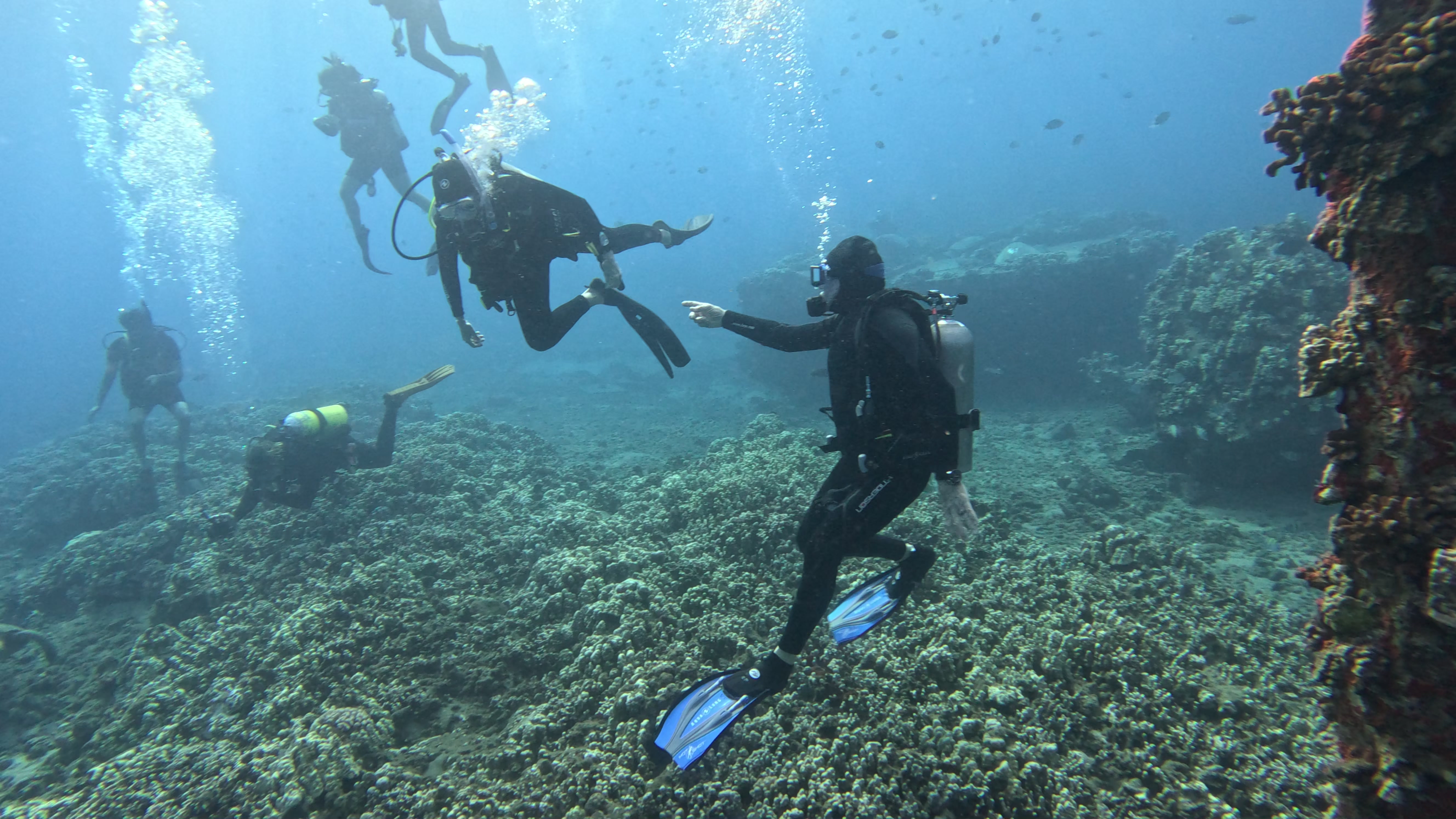
The honest answer to “when is the best time to dive Maui” is that there isn’t a bad one. The water here stays between 74 and 80 degrees Fahrenheit year-round. Visibility on the leeward coast regularly hits 80 to 100 feet. Turtles, reef sharks, eels, and hundreds of reef fish species don’t take a season off. Maui is a year-round diving destination in a way that most tropical dive destinations simply aren’t.
That said, the seasons do change what you’ll find on any given dive. Whale season transforms winter. Summer brings flat water and peak visibility. Spring and fall are the quiet months that experienced divers quietly prefer. And the time of day you dive matters as much as the time of year.
We’ve been running dives out of Kihei for over two decades. Here’s how we’d break it down for someone planning a trip and trying to get the timing right.
Maui Diving by Season: Quick Reference
Here’s the full picture at a glance before we go deeper on each season:
Winter (December - March)
- Water Temp: 74-76F
- Visibility: 80-120 ft
- Conditions: Calm leeward side, some chop on windward
- Marine Life Bonus: Humpback whales, whale song underwater
- Crowd Level: Moderate
Spring (April - May)
- Water Temp: 75-77F
- Visibility: 80-120 ft
- Conditions: Excellent, transitional calm
- Marine Life Bonus: Active reef, whale season tail end
- Crowd Level: Low to moderate
Summer (June - September)
- Water Temp: 78-80F
- Visibility: 80-150 ft
- Conditions: Flattest water, most consistent
- Marine Life Bonus: Peak reef activity, mantas possible
- Crowd Level: High
Fall (October - November)
- Water Temp: 77-79F
- Visibility: 80-130 ft
- Conditions: Very good, some south swells
- Marine Life Bonus: Excellent reef life, early whale arrivals possible
- Crowd Level: Low
Winter Diving in Maui (December through March)
Winter is when Maui diving gets a layer that no other season can offer. Humpback whales arrive in Hawaiian waters from roughly November through May, with peak numbers from January through March. If you’re diving the leeward side of Maui during this window, you will likely hear whale song through the water. Not as background noise. Clearly, distinctly, filling the water around you while you’re hovering over the reef at 50 feet. It is one of the more unusual and memorable things you can experience underwater.
Beyond the whales, winter diving in South Maui is underrated. Conditions on the leeward coast stay manageable because Maui’s geography blocks the winter swell from hitting Kihei directly. Water temperature dips to around 74 to 76 degrees, which is still warm enough for a 3mm wetsuit. Visibility holds strong at 80 to 120 feet on most days.
What makes winter special:
- Humpback whale song is audible underwater from January through March. You don’t need to be near a whale to hear it.
- Boat crossings to Molokini and the Lanai sites often include surface whale sightings
- Turtle Town is active year-round and winter turtle encounters are as good as any other season
- Fewer crowds at popular sites than summer, particularly on weekdays
For more on planning a winter ocean day around both diving and whale activity, see our guide to Whale Watching and Snorkeling from South Maui.
Spring Diving in Maui (April and May)
April and May are two of the most underappreciated months to dive Maui. The whale season is winding down but not entirely gone. The summer crowds haven’t arrived. Water temperature is warming up toward the mid-to-upper 70s, and conditions along the leeward coast are consistently excellent.
Spring is also when the reef starts to feel particularly active. Fish behavior picks up as water temperature rises, and the variety of marine life visible on a typical South Maui dive is as good as any time of year. If your trip dates are flexible and you want good diving without the peak season traffic, spring is the answer.
What makes spring worth considering:
- Low crowd levels at both shore and boat dive sites
- Transitional calm: the winter swells have settled and the summer patterns haven’t fully established
- Occasional late whale sightings into April
- Good availability on dive charters and easier scheduling
Summer Diving in Maui (June through September)
Summer is peak season in Maui for good reason. Water temperature reaches its warmest point, hitting 78 to 80 degrees Fahrenheit. Visibility extends to 100 or 150 feet on the best days. The trade winds that define Maui’s weather pattern are consistent and keep the air temperatures comfortable, but the leeward coast stays sheltered and the water stays calm.
Manta ray encounters are more common in summer, particularly on night dives. Reef fish activity is at its peak. The Molokini crossing is as smooth as it gets. If you’re a newer diver who wants the most forgiving conditions possible, summer is a strong choice.
The tradeoff is crowds. Popular sites like Turtle Town and Molokini see heavy diver traffic in July and August. Book early, plan for morning dives, and consider weekday trips over weekends to get ahead of the volume.
What makes summer the top pick for many divers:
- Warmest water temperature of the year, comfortable without a thick wetsuit
- Best visibility window, routinely 100 feet or more at offshore sites
- Flattest water on the crossing to Molokini
- Manta ray encounters more likely, especially on night dives
- Best conditions for newer and less confident divers
Fall Diving in Maui (October and November)
Fall is the local’s favorite. The summer visitors have gone home. The water is still warm from months of sun, sitting in the high 70s through October. Visibility holds strong. And you’ll share the reef with far fewer people than you would in July.
October can occasionally bring south swells generated by distant storms, which can affect some exposed sites. The leeward coast stays protected from most of this, but it’s worth checking conditions before you go. November is usually excellent, and the first whale arrivals can begin as early as late November in a good year.
What fall has going for it:
- Lowest crowd levels of the year at most dive sites
- Water still warm from summer, wetsuit optional for many divers
- Excellent visibility continuing from summer
- Early whale arrivals possible in November
- Better charter availability and flexibility on scheduling
Why South Maui Holds Up in Every Season
Maui has dive sites on multiple coastlines, but not all of them hold up equally across seasons. South Maui’s leeward position is the key:
South Maui (Kihei)
- Swell Protection: Excellent. Haleakala and the island’s geography block most North and East swells
- Wind Exposure: Sheltered from trade winds. Calm conditions most days
- Year-Round Reliability: Consistently diveable. Rare cancellations due to conditions
- Access to Offshore Sites: Short crossing to Molokini and Lanai from Kihei Boat Ramp
- Shore Diving: Multiple accessible shore sites within a short drive of Kihei
Other Maui Coastlines
- Swell Protection: Variable. Windward sites can be rough when North or East swells are running
- Wind Exposure: More exposed on the windward side, particularly in afternoons
- Year-Round Reliability: More seasonal variability. Some sites close during winter swell
- Access to Offshore Sites: Longer crossings from other harbors, rougher in winter
- Shore Diving: Fewer accessible shore options on other coastlines
Time of Day Matters as Much as Time of Year
Whatever season you dive, the time of day shapes the experience significantly. Here’s how we’d stack rank it:
- Early morning is the best window for most sites. Calmer water, better light penetration through the reef, more active marine life before the day heats up, and ahead of any wind that builds through the afternoon
- Mid-morning works well for boat trips. The crossing is usually smooth, and you’ll have the reef in good light for both dives
- Afternoon shore dives are fine when conditions are settled, though visibility can drop slightly as sand gets kicked up through the day
- Night dives are their own category entirely. A completely different marine life set becomes active after dark, including octopus, lobster, and in summer, manta rays. Our Night Dives in Maui guide covers what to expect.
Planning Your Maui Dive Trip: A Few Practical Notes
Regardless of when you visit, a few things are worth sorting before you arrive:
- Get your certification done before you come if you’re not already certified. Training in Maui is great, but spending your first two days in the pool rather than on the reef is a tradeoff you don’t have to make. Our PADI Open Water Certification guide covers what the process looks like from Kihei.
- Book charters early in peak season (June through August) and over holidays. Molokini trips fill up fast and last-minute availability gets thin
- Build flexibility into your schedule if you’re targeting specific sites. Conditions can shift, and the best dive shops will reroute you to something excellent rather than push you onto a site that isn’t right for the day
- Check in with a local dive shop when you arrive. We know what’s been showing up on the reef that week, which sites are diving well, and what you shouldn’t miss based on current conditions
South Maui Dive Sites Worth Planning Around
Once you’ve got your timing sorted, these are the sites we’d build a Kihei dive trip around:
- Turtle Town for consistent honu encounters year-round. See our Turtle Town Maui guide.
- Molokini Crater for offshore visibility, the back wall, and the most iconic dive in the state. See our Molokini Crater guide.
- Lanai Cathedrals and the Carthaginian Wreck for the bucket list offshore dives. See our Boat Dive Sites from Kihei guide.
- Shore diving in South Maui for accessible, gear-up-and-go diving close to Kihei. See our Shore Dives in South Maui guide.
- Night diving for a completely different look at the reef after dark. See our Night Dives in Maui guide.
No matter when your trip lands, come see us at Scuba Shack in Kihei before you get in the water. We’ll tell you exactly what’s been happening on the reef that week, point you toward the right sites for your experience level and timing, and make sure you’re set up with everything you need. Walk-ins welcome.