Boat Dive Sites from Kihei, Maui: Lanai Cathedrals, Carthaginian Wreck & More (2026)
Shore diving in Maui is fantastic. We do it every day. But there’s a whole category of dive sites you can only reach by boat, and they’re on a different level entirely.
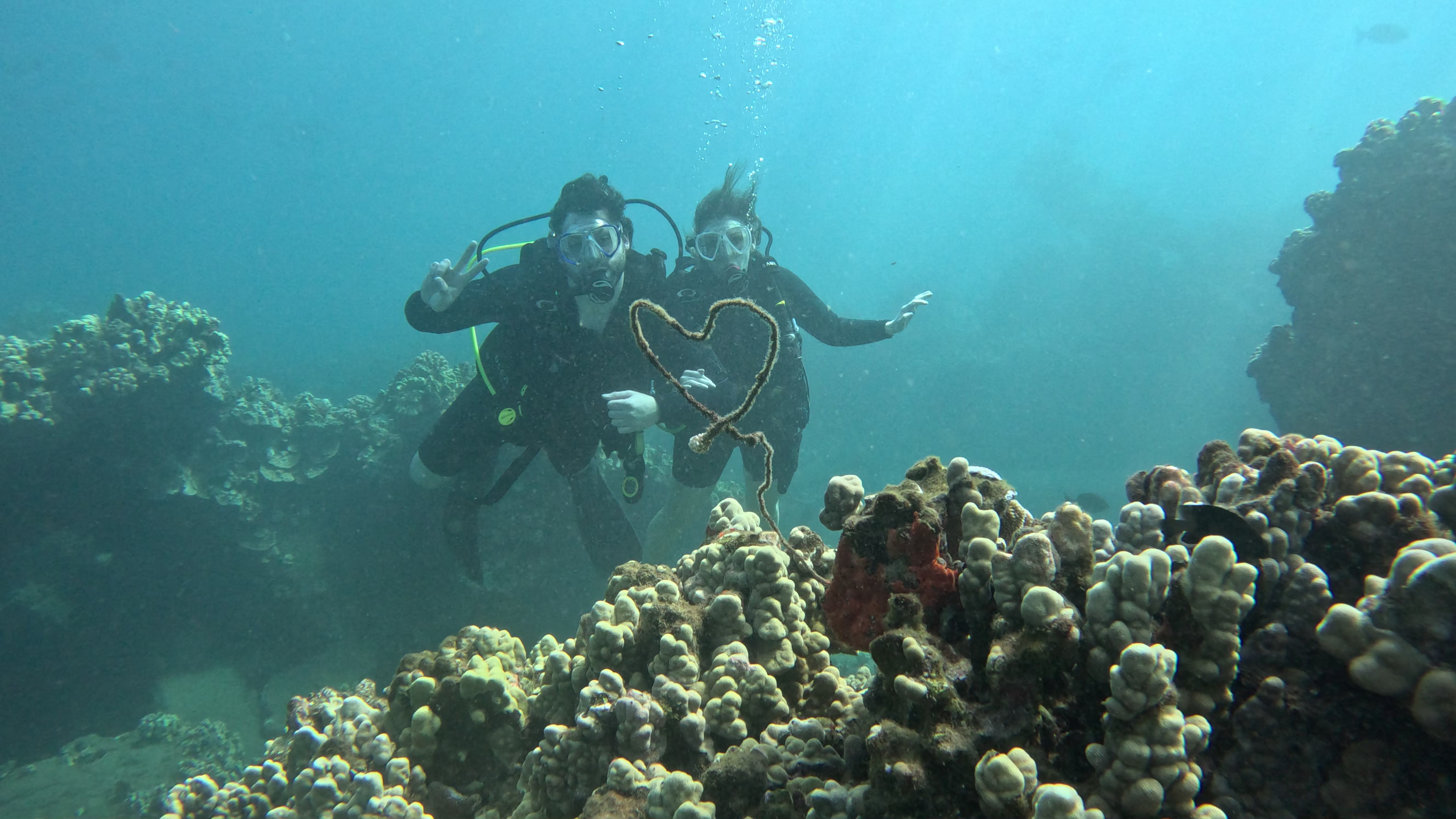
We’re talking about the Lanai Cathedrals: massive lava caverns with light beams pouring through cracks in the ceiling, arches you can swim through, and walls covered in marine life you won’t find in the shallows. We’re talking about the Carthaginian Wreck, an artificial reef that’s become a magnet for eels, schools of fish, and macro life worth crawling across the bottom for. These are the dives that certified divers fly to Maui specifically to do.
Scuba Shack runs boat charters out of the Kihei Boat Ramp, which puts us closer to the Lanai channel than most operators on the island. Short crossing, small groups, two-tank dives, and a crew that knows these sites inside and out. Captain Ryan Asa has been running this route for years, and our instructors have logged thousands of dives on these reefs.
Here’s what a boat charter with us looks like and why these sites are worth the trip.
Why Boat Dives from Kihei Beat Other Launch Points
Most Maui dive operators launch from Lahaina or Ma’alaea Harbor. Both work fine, but they come with longer drives, busier docks, and (depending on conditions) rougher crossings. Kihei’s boat ramp is protected, quick to launch from, and sits on the south side of the island, which shortens the ride to Lanai and keeps you in calmer water for more of the trip.
Here’s how we stack up:
Scuba Shack (Kihei)
- Launch Point: Kihei Boat Ramp. Quick, protected, close to the channel.
- Crossing to Lanai: Short ride, often with spinner dolphins along the way
- Group Size: Small. Enough room to move, enough attention to learn.
- Site Selection: Lanai Cathedrals, Carthaginian Wreck, condition-dependent picks
- Overall Vibe: Personal, relaxed, built around the diving
Other Maui Operators
- Launch Point: Longer drives, busier harbors, rougher launch conditions
- Crossing to Lanai: Varies. Some routes are longer with more open-ocean chop.
- Group Size: Often larger, more of a cattle-boat feel
- Site Selection: Mixed. Sometimes crowded, sometimes farther from the highlights.
- Overall Vibe: More commercial, less flexibility
The crossing itself is often a highlight. Spinner dolphins like to ride the wake, and during whale season (roughly December through April), you’ll see humpbacks breaching and spouting on the way out. It doesn’t feel like transit. It feels like the dive day has already started.
The Dive Sites: Where We Take You
Captain Ryan picks the sites each morning based on conditions, but here are the headliners:
Lanai Cathedrals. This is the one. Two massive underwater caverns (Cathedral I and Cathedral II) formed by ancient lava flows, with arches, swim-throughs, and openings in the ceiling that let shafts of sunlight pour in. Depths range from about 50 to 85 feet. Inside, you’ll find endemic Hawaiian fish (humuhumunukunukuapua’a, anyone?), healthy corals, the occasional whitetip reef shark, and octopuses tucked into the walls. The light inside these caverns is genuinely something you have to see for yourself.
Carthaginian Wreck. A former freighter that was intentionally sunk to create an artificial reef. It sits at around 60 feet and has become a thriving ecosystem. Schools of fish swirl around the structure, moray eels peek out of crevices, and the macro life (nudibranchs, shrimp, crabs) rewards a slow, close look. It’s a more relaxed dive than the Cathedrals, and a great complement as a second tank.
Condition-dependent picks. Depending on the seas, we sometimes hit additional sites: protected reefs along the Lanai coast, deeper walls on calm days, or inshore spots if the channel is too rough for a safe crossing. We’d rather put you on a great dive somewhere accessible than push through bad conditions to check a box.
Visibility on these offshore sites is routinely 80 to 150 feet. On a clear day, you can see the cavern walls from the moment you descend. It’s a different world from shore diving, and the scale of the formations is hard to overstate.
What a Boat Charter Day with Scuba Shack Looks Like
Our charters are two-tank trips, and we keep the whole day dialed so you spend your energy on diving, not logistics:
- Meet and prep. Start at the shop (2349 S Kihei Rd) for a gear check and overview. We’ll go over the day’s plan, the sites we’re targeting, current conditions, and what marine life to keep an eye out for.
- Boat ride out. Head to the Kihei Boat Ramp and launch. The crossing to Lanai is usually smooth, and this is when you start scanning for dolphins. Ryan knows the route and reads the water, so you’re in good hands.
- Dive briefing. Before each dive, your instructor walks through the site on a slate: entry point, exit plan, depths, buddy assignments, and the key features to look for (“Cathedral I has a big swim-through on the left wall at about 70 feet”). If you’ve never dived these sites, this briefing makes all the difference.
- Two-tank dives. 45 to 60 minutes each, with a surface interval in between for snacks, water, and swapping stories about what you just saw. We guide both dives and point out species as we go. Expect your instructor to be writing names on a slate the whole time.
- Return and debrief. Head back across the channel, talk through the highlights, and start planning when you’re coming back. (It happens.)
Safety is built into every step. Certified crew, meticulous gear maintenance, pre-dive checks, conservative profiles, and small groups so nobody gets overlooked. These are deeper dives on offshore sites, and we treat them accordingly_._
Marine Life and Features on Maui’s Offshore Dive Sites
The offshore sites deliver a different mix than what you see on shore dives. Deeper water, bigger formations, and species that prefer the open reef:
Triggerfish & Tangs
- Schools gather in the caverns and around the arches; many are endemic to Hawaii
- Bright, active, and everywhere. Great photo subjects.
Moray Eels & Octopus
- Hide in the lava tubes and wreck crevices; more common on these deeper sites
- Watch quietly. They’re curious if you’re patient.
Reef Sharks
- Whitetips occasionally patrol the deeper areas around the Cathedrals
- Respectful distance is all you need. They’re not interested in you.
Lava Formations
- Arches, swim-throughs, caverns with light beams cutting through openings
- Good buoyancy matters here. Tight spaces reward careful divers.
Same rule as always: look, don’t touch. Good buoyancy is especially important in the caverns and swim-throughs where the walls are close. We brief this thoroughly and keep an eye on everyone during the dive.
What You Need and What We Provide
Certification: Open Water or higher. These are certified dives only, and you should be comfortable with boat entries (giant stride or backroll, depending on the vessel). If it’s been a while since you’ve dived, let us know and we’ll do a skills refresher before the charter.
Gear: Full rental included. BCD, regulator, wetsuit, tanks, weights, and dive computer. We check and maintain everything between trips.
Group size: Small. That’s the whole point. Enough divers to make it fun, few enough that your instructor can actually guide you through the sites.
Between Kevin’s 20+ years of instruction and Ryan’s experience captaining the boat, you’re with a team that’s done this crossing and dived these sites more times than we can count. That matters when you’re 80 feet deep inside a lava cavern.
Boat Dive Charters from Kihei: Frequently Asked Questions
Do I need to be certified for a boat dive?
Yes. Open Water certification (or equivalent) is required. These are deeper, offshore dives and are for certified divers only.
How long is a typical charter?
Plan for four to six hours total, including the boat ride, two dives with a surface interval, and the return trip. It’s a half-day commitment, and it’s worth every minute.
Which sites will we dive?
The Lanai Cathedrals and Carthaginian Wreck are our primary targets. Captain Ryan makes the final call each morning based on sea conditions, wind, and swell. If the channel is too rough, we’ll pivot to excellent inshore alternatives rather than push it.
When is the best time of year for boat dives to Lanai?
Year-round. Spring and fall often bring the calmest seas and best visibility. December through April adds the bonus of humpback whale sightings on the crossing.
How big are the groups?
Small. We keep boat charters limited so every diver gets personal attention and room to enjoy the sites without feeling crowded.
What if conditions change mid-trip?
We monitor weather and sea state constantly. If conditions shift, we adapt: different site, adjusted dive plan, or a return to calmer water. Safety always comes first, and we’d rather change the plan than take a risk.
How do I book?
Book online at scubashack.com or call us at (808) 891-0500. Boat charters fill up faster than shore dives, especially during peak season, so booking ahead is smart.
Ready to Dive Maui’s Offshore Sites?
If you’re a certified diver visiting Maui, the Lanai Cathedrals and Carthaginian Wreck should be on your list. These are the dives people talk about for years afterward, and they’re the kind of experience you simply can’t get from the beach. We’ve been running this route for over two decades, and it still gives us chicken skin every time those cavern walls come into view.
Book your boat charter online or call us at (808) 891-0500 to reserve your spot.
See you on the water.
-Kevin Leib
Chief Instructor, Scuba Shack Maui