Maui Whale Watching & Snorkel Combo: Best Tours from South Maui in Winter 2026-2027
Every winter, the ocean off South Maui becomes one of the most extraordinary places on the planet. Humpback whales travel thousands of miles from Alaska to breed and give birth in the warm, sheltered waters of the Hawaiian Islands, and Maui sits right at the center of it all. From roughly November through May, with peak sightings from January through March, the channel between Maui and Lanai fills with whales. You can hear them from shore. You can sometimes see them breaching from the beach at Kihei.
For divers and ocean lovers based in South Maui, whale season is not just a backdrop. It is the season. And the best part? You can pair a whale watching tour with some of the most accessible snorkeling on the island, all within a short distance of Kihei. This guide covers what to expect, when to go, and how to make the most of both.
Why South Maui Is the Best Base for Whale Season
Kihei sits on the leeward side of Maui, which means calmer water, more consistent conditions, and shorter travel times to the whale watching grounds. The Au Au Channel between Maui and Lanai is a primary whale corridor, and launching from South Maui puts you right in the middle of it.
South Maui is also home to some of the island’s most beginner-friendly snorkel sites. Whether you’re a certified diver looking to add a surface experience to your trip or a first-timer who wants to see what’s under the water, the reef systems close to Kihei are worth your time. It’s a natural fit: morning whale watch, afternoon in the water.
Whale Season Calendar: What to Expect Month by Month
Humpbacks arrive in Hawaiian waters as early as October and stay through May, but the experience changes significantly depending on when you go.
November
- Whale Activity: Arrivals begin, first sightings, smaller groups
- Water Conditions: Calm, visibility building
December
- Whale Activity: Activity building, more frequent sightings, early breaching
- Water Conditions: Generally good, some wind
January
- Whale Activity: Peak season begins; breaching, tail slaps, competitive pods
- Water Conditions: Excellent, leeward protection
February
- Whale Activity: Peak season; mothers with calves, singing, full displays
- Water Conditions: Calm, best visibility of winter
March
- Whale Activity: High energy activity, calves growing
- Water Conditions: Typically very good
April
- Whale Activity: Season winding down; sightings less frequent, northward migration begins
- Water Conditions: Warming, excellent snorkel conditions
May
- Whale Activity: Final departures, occasional stragglers
- Water Conditions: Calm, summer conditions arriving
What to Expect on a Whale Watching Tour from Kihei
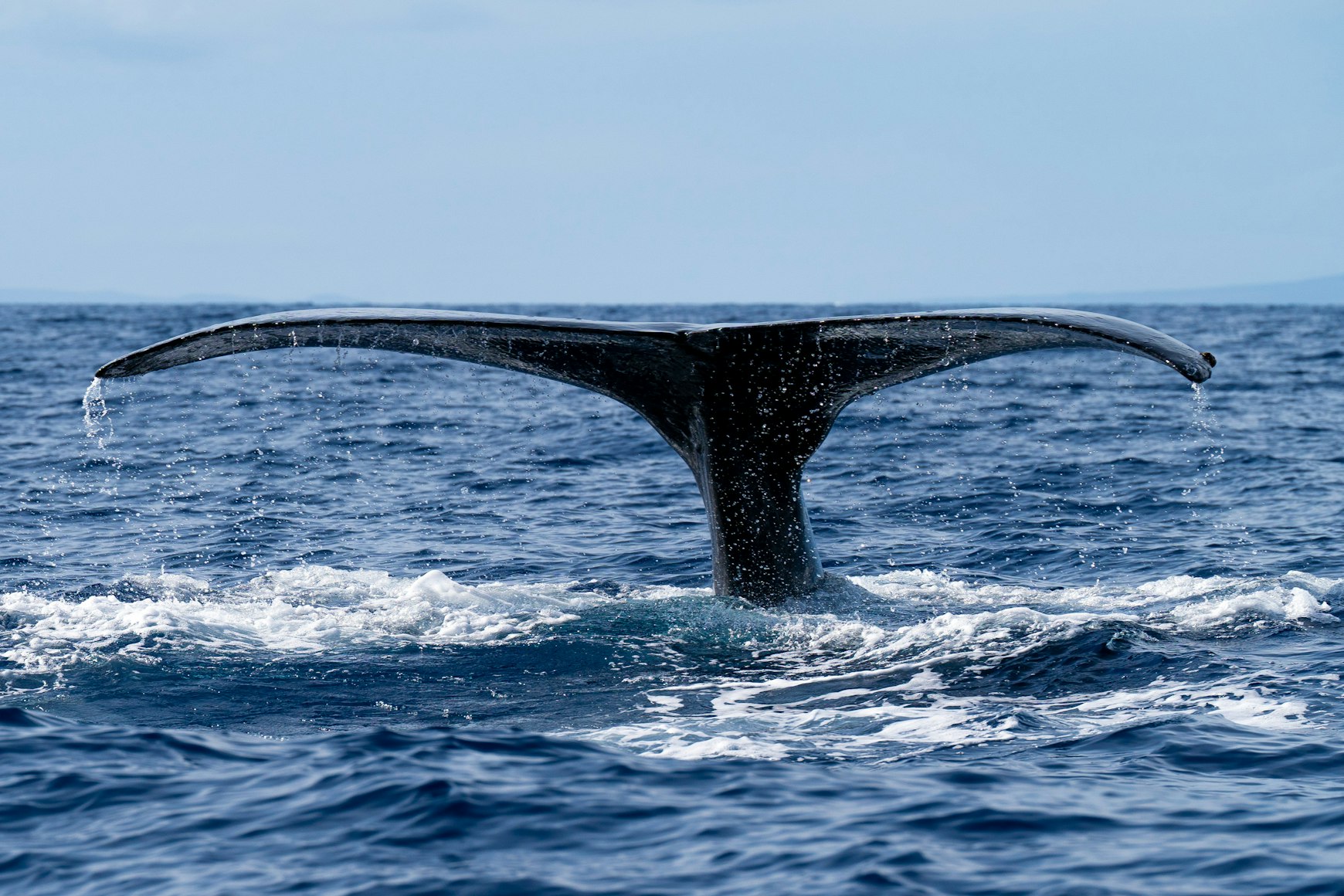
Humpback whales are not subtle. At up to 45 feet long and 40 tons, they make themselves known. Breaches, tail slaps, pec fin waves, and spy hops are all common behaviors during whale season in Maui, particularly in the peak months of January through March.
On a whale watching tour, you can expect to spend a couple of hours on the water with a knowledgeable crew who understands whale behavior and federal guidelines for responsible viewing. Tour operators are required to maintain a minimum distance from the whales, but that distance does not diminish the experience. Watching a 40-ton animal breach 100 yards from your boat is not something you forget.
A few things to keep in mind:
- Morning tours tend to have calmer water and better lighting for photos
- Bring sunscreen, a light jacket for the ride out, and motion sickness medication if you’re prone to it
- Hydrophones are sometimes used on tours so you can hear whale song underwater in real time
- Peak season runs January through March, though sightings are common from November onward
Scuba Shack offers whale watching tours departing from South Maui. If you want to combine your trip with diving, our team can help you plan a day on the water that covers both.
Pairing Your Whale Watch with South Maui Snorkeling
The waters off Kihei are warm year-round, and winter does not change that. Water temperatures in whale season hover around 75 to 77 degrees Fahrenheit, which is comfortable for snorkeling with a basic wetsuit or rash guard. Visibility is often excellent in winter because trade winds and swell patterns stabilize conditions along the leeward coast.
Snorkeling in South Maui during whale season also comes with a bonus you don’t get in summer: if humpbacks are in the area, you may hear their song through the water. It is one of those experiences that is hard to describe but stays with you.
Top Snorkel Spots Near Kihei
South Maui is loaded with accessible snorkel sites. Here’s a quick look at the best options close to Kihei:
Ulua Beach
- Skill Level: All levels
- What to Expect: Diverse reef fish, easy entry, can get busy by mid-morning
- Best Time: Early morning before the crowds
Five Graves / Makena Landing
- Skill Level: Some experience recommended
- What to Expect: Dramatic topography, high turtle activity, worth the extra effort
- Best Time: Morning; ask locals for current conditions
Kamaole Beach Parks (I, II, III)
- Skill Level: Beginners
- What to Expect: Central Kihei location, easy access, decent reef along the edges
- Best Time: Anytime; afternoon works well
Tips for Getting the Most Out of Both Activities
- Book your whale watch for the morning and snorkel in the afternoon. You’ll benefit from calmer morning water for the boat tour and afternoon sun for reef visibility
- Rent gear before you go. Showing up to a snorkel site with a fogged mask and fins that don’t fit slows everything down. Scuba Shack offers gear rental for exactly this kind of day
- If you’re a certified diver, consider swapping the snorkel portion for a shore dive. South Maui’s shore diving is some of the best on the island, and winter conditions are often ideal
- Stay flexible on your whale watch date if you can. Peak sighting days are unpredictable, but January through March gives you the best odds
Planning Your South Maui Whale Season Trip
Whether you’re visiting Maui specifically for whale season or you’re a local who does this every year, South Maui gives you easy access to both the whales and the reef. The combination of a whale watching tour and a solid snorkel session makes for one of the better days you can have on this island in winter.
If you’re looking to go a step further, winter is also a great time to get your open water certification or try a boat dive. Check out our guide to PADI Open Water Certification in Kihei and our Boat Dive Sites from Kihei to see what’s possible once you’re underwater. And if you haven’t tried a night dive yet, our Night Dives in Maui guide covers one of the most unique experiences on the island.
Stop by Scuba Shack in Kihei or give us a call to book your whale watching tour, pick up gear rental, or talk through what the ocean is doing this time of year. We’re a local shop and we’re here to help you get the most out of your time on the water.